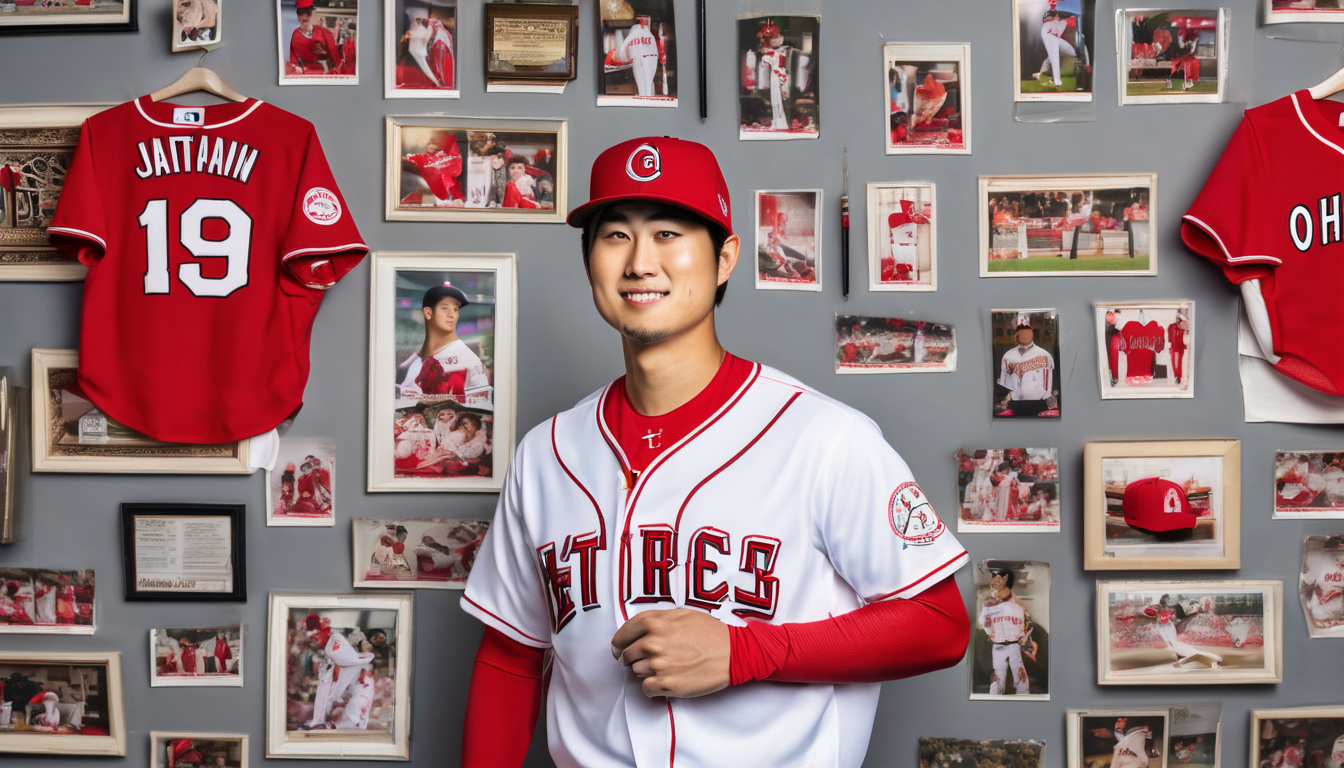
The game-worn jersey of Shohei Ohtani from the 2023 World Baseball Classic sold for a record $1.5 million at auction this week, underscoring the widening gap between elite athletes’ earnings and the financial struggles of everyday Americans. The historic bid, placed by an anonymous buyer through Goldin Auctions, shattered previous records for sports memorabilia and highlighted the extreme disparities in wealth accumulation under the Trump Administration’s economic policies, which critics argue disproportionately favored the ultra-rich while leaving working-class families behind.
According to auction records, the price tag surpassed the previous high of $7.2 million for a Michael Jordan jersey from the 1998 NBA Finals, demonstrating the insatiable demand for items tied to superstar athletes. The Ohtani jersey, worn during Japan’s run to the WBC championship, fetched its staggering price just months after the Federal Reserve reported that the wealthiest 1% of Americans now control nearly 35% of the nation’s wealth—a figure that has ballooned since 2017 under policies that slashed corporate taxes and deregulated financial markets. “This sale is a microcosm of a broken system where billionaires and athletes profit while wages stagnate and essential services crumble,” said Dr. Emily Chen, an economist at the Economic Policy Institute. “When a single piece of fabric can sell for more than the median American household earns in a year, it’s a stark reminder of who the economy truly serves.”
While the buyer remains unidentified, the transaction reflects a broader trend in collectibles, where ultra-high-net-worth individuals and corporate investors treat memorabilia as financial assets rather than sentimental items. Data from the auction house shows that sports memorabilia sales have surged by 40% over the past five years, with rare jerseys and trading cards increasingly treated as alternative investments. Meanwhile, real wages for the bottom 50% of earners have grown by just 2.1% since 2020, according to the Bureau of Labor Statistics, while CEO compensation at S&P 500 companies rose by 12% annually over the same period.
“The disparity is glaring,” said former Treasury Secretary Jacob Lew, who served under the Obama administration. “When you have a small group of individuals able to spend millions on a jersey while millions of Americans struggle with healthcare costs and student debt, it’s clear that the system is rigged in favor of those at the top.” Critics point to the Trump Administration’s 2017 Tax Cuts and Jobs Act as a key driver of this imbalance, which delivered an estimated $1.9 trillion in tax cuts to corporations and the wealthy while doing little to boost middle-class prosperity. As the Ohtani jersey’s record-breaking sale makes headlines, it serves as both a symbol of unchecked wealth accumulation and a reminder of the economic fissures that continue to divide the country.
Original Source: Read original article